
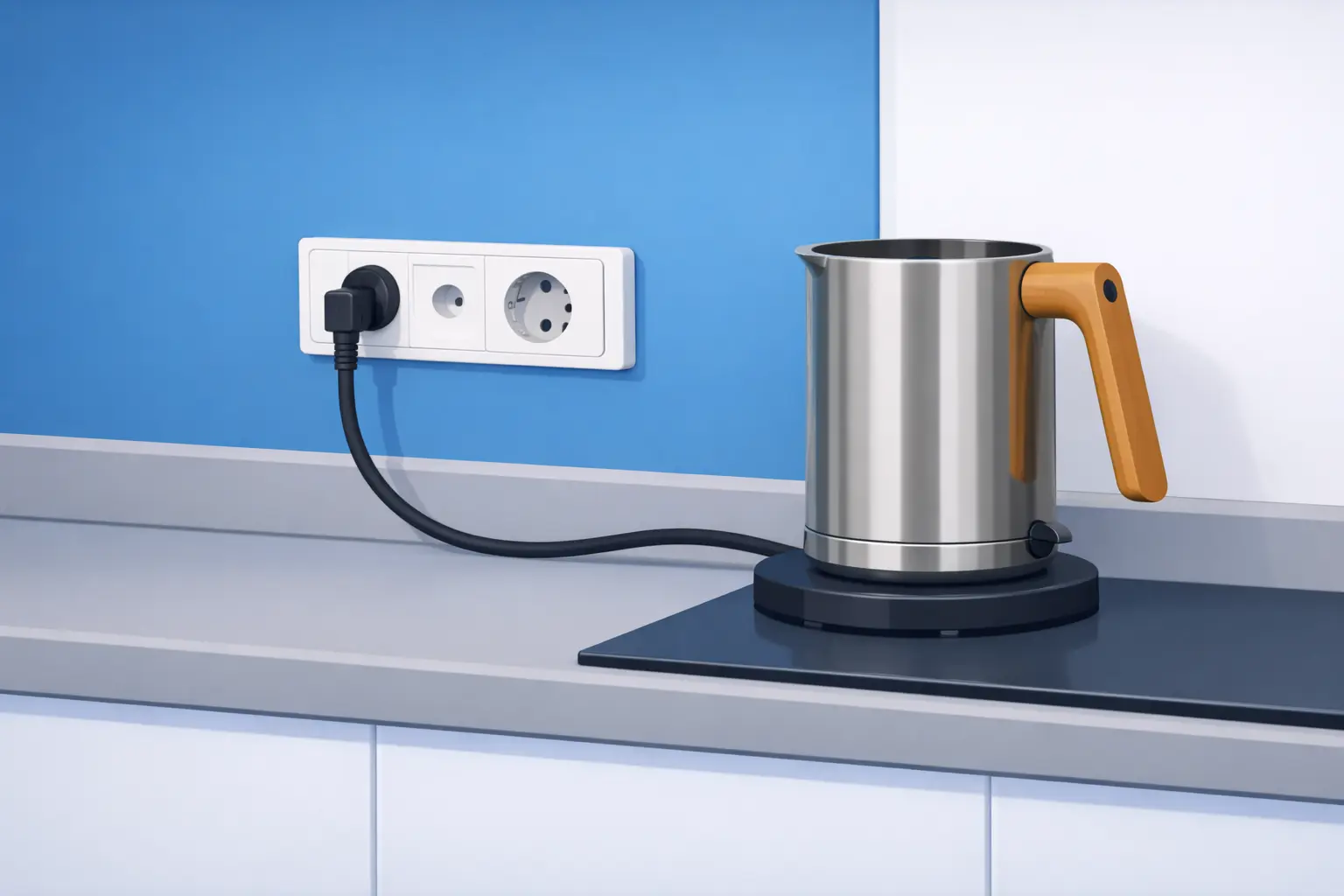
Before Starting: Where the Energy Goes
In most homes, the bulk of the expense comes from heating and hot water. Everyday electricity (computer, TV, lights) counts, but often less than imagined. This means one very simple thing: if you want a visible difference on the bill, you must first tackle what heats, then what produces hot water, and only then the small items.
The second important point is that energy is as much about habits as it is about settings. A home can consume too much simply because no one has ever touched a thermostat, because ventilation is poorly managed, or because the water heater runs as if it were supplying a hotel. The best savings are often 'simple' corrections, but they make a big difference.
Tip 1: Lower the Heating… but Smartly
The first tip is the most well-known, but also the most poorly applied. Lowering the heating doesn't mean punishing yourself. It means aiming for a consistent and stable temperature. Many people heat too much, then open the window because they're too hot, then turn it up because they're cold. And that's the perfect recipe for paying a lot.
The best compromise is to have a 'comfort' temperature when you're really there, and a lower temperature when you sleep or when you're away. You already save on the bill without even changing your lifestyle, just by stopping heating as if someone needs to be in a t-shirt at 11 PM in the middle of winter.
Tip 2: Program the Hours
If your heating can be programmed, it's almost a cheat code. The goal is not to make a complicated schedule: it's to ensure it heats at the right time, not 'all the time.' Even without a connected thermostat, you can already do a lot by setting simple hours: lower at night, lower when no one is there, and turn it up only a little before returns.
What costs a lot is not just the temperature, but also the duration. Heat for less time, at the useful moment, and you'll feel the difference. And in shared housing, it's even more important: without a common rule, you end up with heating running for one person… while others are outside.
Shared Housing Tip (Without Headaches)
Set a simple rule: a common 'home' temperature, and an absence rule (if everyone goes out, lower it). It's not about control, it's just avoiding burning money.
Tip 3: Stop Air Leaks Without Renovation
You can heat properly and still feel cold, just because the air escapes. Leaks around windows and doors are classic. The telltale sign: you feel a draft when you pass your hand, or you have a 'chilly' area near a window even when the radiator is on.
Without major renovations, you can already greatly improve comfort with simple seals, a door sweep, and good management of shutters or curtains in the evening. The effect is twofold: you consume less and feel better. And that's a saving that is experienced daily, not just on a statement.
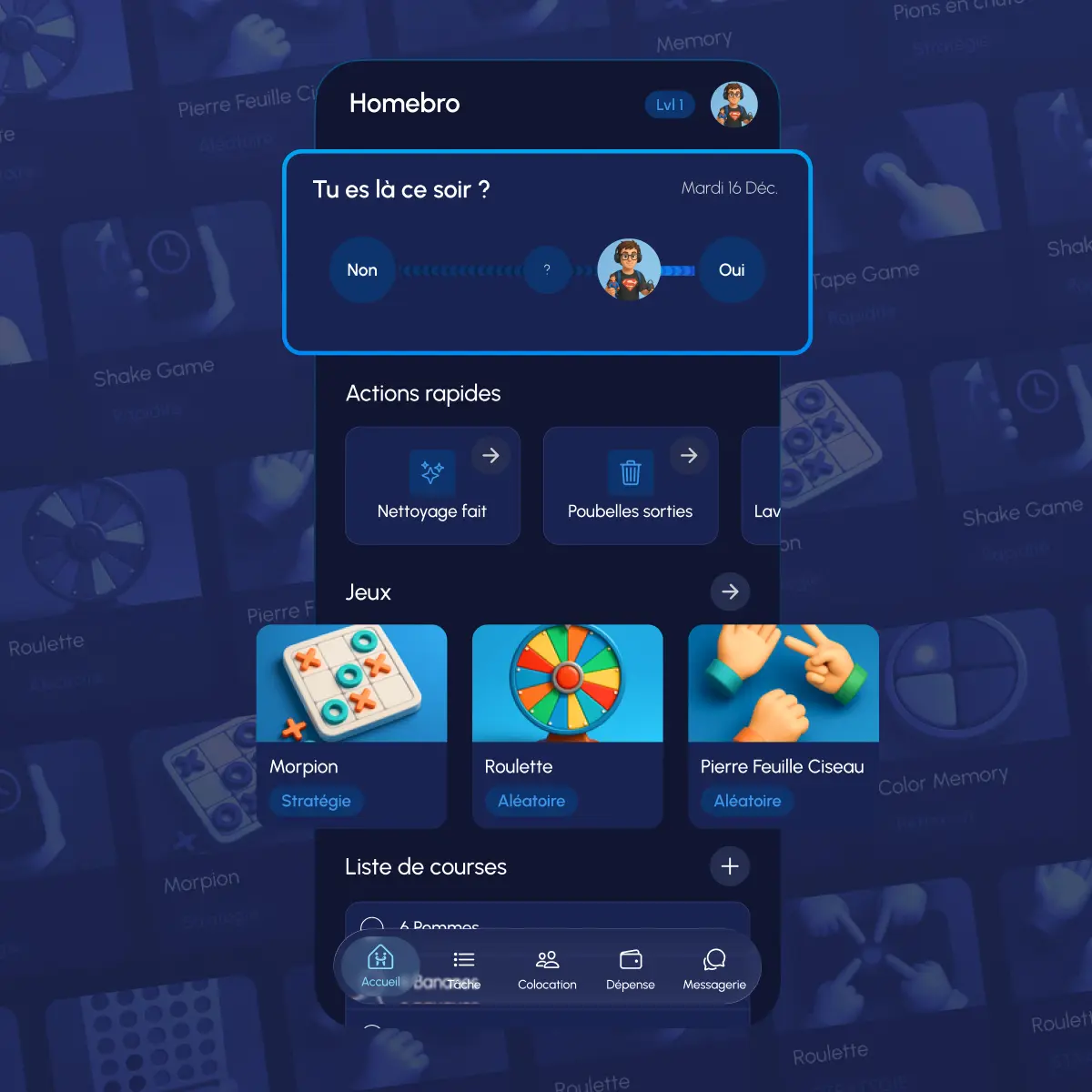
Download Homebro and simplify your roommate
Reminders, planning, tasks and expenses — all in one place.
Tip 4: Hot Water, the Quickest Saving
Hot water is often the 'easiest' item to reduce because you can act immediately. There are shorter showers, of course, but the real gain often comes from two things: avoiding unnecessary flow, and limiting overly high temperatures.
A water heater set too hot is energy lost permanently. And in many homes, no one has ever checked the setting. If you can, slightly reduce the temperature and you'll see you don't lose comfort. Add to that a more efficient showerhead, and you have one of the best effort/result ratios in this article.
Tip 5: Washing Machine and Dryer, the False Friends
The washing machine consumes less than you think when used properly, but it can quickly become a pit if you run half-loads or heat the water too often without reason. The paying reflex: run full loads, and favor lower temperature programs when possible.
The dryer, on the other hand, is another story. It's convenient, but energy-intensive. If you can air-dry even part of the time, you'll see a noticeable drop. The idea is not to feel guilty: just reserve the dryer for times when it's really useful, not out of habit.
Tip 6: Kitchen
In the kitchen, energy is mostly lost in 'too long' cooking and habits. Cooking with a lid, turning off the stove a bit before the end to take advantage of the residual heat, and using the right size pot on the right burner are the kinds of details that don't change your life… but prevent some waste.
If you cook a lot, you can also save by grouping: cook more at once, prepare bases, and avoid turning on the oven for a tiny thing. The oven is convenient, but it heats a large volume, so it might as well be really useful.
Tip 7: Fridge and Freezer: the Silent Item
The fridge is the discreet item because it runs all the time. And often, it consumes more due to bad habits: door open too long, frost in the freezer, fridge pressed against the wall without ventilation, or too cold setting.
The thing is, you don't 'feel' the difference daily, so you don't think about it. Yet, defrosting when there's too much frost and keeping a reasonable temperature is one of the most effective actions on an appliance that runs 24/7.
Download Homebro and simplify your roommate
Reminders, planning, tasks and expenses — all in one place.
Tip 8: Standby and Power Strips, the Easy Trap
Standby is the topic of debate because it depends on the devices. But there's a simple point: if you have a TV/box/console area that stays powered 24/7, you can easily reduce it by turning it off when you sleep or when you leave for several days.
The power strip with a switch is the simplest and cheapest solution. It's not 'living like a monk,' it's just stopping leaving things running unnecessarily when no one is using them. And in shared housing, it also avoids the famous phrase: 'but I don't use the console.'
Tip 9: Lighting, Simple but Not Magic
Lighting is often where people start because it's visible. Yes, switching to LEDs and avoiding turning on lights everywhere is a good idea. But it's not always the item that halves the bill on its own.
However, it's an easy win: you change a few bulbs, you get into the habit of lighting 'just enough,' and you don't question it anymore. It's the kind of saving that happens without thinking, and it counts in the total.
Tip 10: Track Consumption to Avoid Reverting
The real problem with energy savings is not starting them. It's keeping them. At first, you pay attention, then you forget, then you return to your old habits… and the bill goes up without warning.
What works is very light tracking. Not an engineer's Excel sheet: just a monthly benchmark, and two or three simple rules you keep. If you want a lasting effect, set yourself a routine: check once in a while, and adjust if it drifts. The goal is to stay in control without it becoming a hobby.
The Little Extra from Homebro
In shared housing or as a couple, the hardest part is not knowing the tips, it's sticking to them together. A shared list of 'house rules' (temperature, absence, machines, etc.) and small reminders prevent everything from resting on one person — and avoid repetitive discussions.
Conclusion
If you really want to lower your bill, think first 'heating + hot water,' then 'devices that run all the time,' and only after the rest. That's where the big gains are.
And above all, don't seek perfection. Take three or four ideas from this article, the ones that fit your daily life, and make them automatic. That's how you go from a one-time effort to a bill that really goes down, month after month.